28 November 2026
Porch comfort without clutter: making small outdoor spaces work
Presented by @thepationotebook
A porch can feel welcoming without looking packed. The trick is to treat comfort as a layout problem first and a furniture problem second. A small seating area needs clear routes, pieces that earn their place, and surfaces that do not swallow every spare inch. Resin outdoor furniture can help here because it suits many porch shapes, from narrow entry landings to broad covered spaces.
Before choosing anything, look at how the porch is used. Is it a place for a quiet cup of coffee, a spot for several people to sit, or a transition between the garden and the house? A seating plan for one person looks very different from one that needs to hold a family. The best layouts leave a simple path to the door and enough room for people to sit down without moving chairs aside.
Start with the space you actually have
Measure the usable floor area, not just the outside edge of the porch. Columns, steps, railings, door swings, planters, and wall fixtures all shape the space. Pay attention to the door arc, since a chair that looks fine in an empty layout may block daily movement once the door opens. Also note where the floor drains or where water tends to sit after rain, because soft cushions and damp surfaces are a poor match.
A useful way to judge capacity is to sketch a rough rectangle of the seating zone. Keep the middle open when possible, then place larger pieces along the edges. Long, slim shapes often fit better than deep, bulky ones. A garden bench against a wall can provide several seats with less visual weight than a set of separate chairs, while a single Adirondack chair can create a clear resting spot in a corner.
Vertical space matters too. A porch may look crowded even when the floor is only partly filled because tall backs, hanging decor, and layered accessories compete for attention. Low-profile furniture, simple rail planters, and one well-placed light can make the same area feel calmer.
Choose seating that matches the way you sit
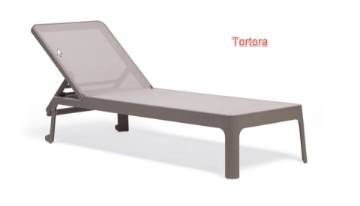
Comfort is not only about cushion thickness. seat depth, back angle, arm height, and the firmness of the surface all affect how a chair feels. A deep lounge is relaxing for long afternoons, but it needs more clearance in front. An upright chair works better where people eat, talk, or pass through. A rocking chair can add gentle movement without requiring a large footprint, though it needs open space behind and in front.
Resin pieces are often chosen for outdoor use because they can be shaped into familiar forms such as chairs, lounges, benches, and dining seats while keeping a consistent look. That consistency helps in a small porch. When pieces share a material or finish, the eye reads them as one arrangement rather than a collection of unrelated objects.
For a narrow porch, one lounge chair with a compact side table may be more comfortable than a full seating set. For a wider space, two chairs facing each other can create a conversation area without requiring a sofa. If the porch is used for meals, dining pieces with slimmer arms can slide closer to the table and make movement easier.
Use one main comfort piece, then build around it
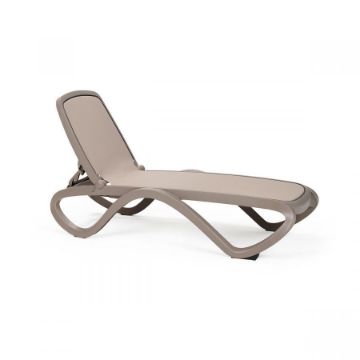
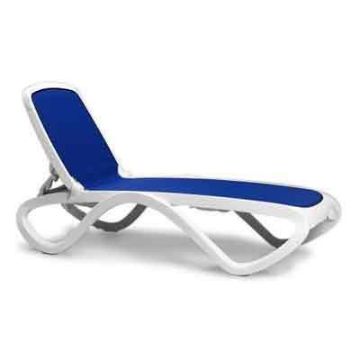
A crowded porch often has too many features competing for the same role. Start with one primary seat, then add only what supports it. A chaise lounge can set a relaxed tone, but it will need room to stretch out. A bench can anchor a wall and leave the center open. A porch swing can become the focal point, especially on a covered porch with enough depth for safe movement.
Resin porch swings can work well when they are treated as the main seat rather than an extra added to a full set. The open floor around them matters, because a swing needs clearance and a steady structure. If a porch is already filled with dining furniture, adding a swing may make the area feel tight and awkward.
Where a swing is not practical, a single lounge chair with an ottoman can create a similar sense of rest. The ottoman can move when the space is used for something else, which gives it more flexibility than a fixed second seat. A side table beside the main chair keeps a drink or book within reach and reduces the need for a larger table.
Keep pathways clear and sightlines open
A porch feels bigger when people can move through it without turning sideways. Aim for a route from the steps to the door that stays free of chairs, tables, and planters. In small spaces, this may mean placing seating on one side only. It may also mean choosing furniture with open bases or slim legs, since visible floor beneath a piece makes the area feel less blocked.
Open sightlines matter as much as floor space. Tall-backed chairs are comfortable, but a row of them can create a wall effect across the porch. Mixing a low bench with one higher seat can soften that. If railings are already visually busy, simpler furniture shapes usually work better.
Light also changes how spacious a porch feels. A dark corner with stacked furniture can look cramped, while the same corner with a single lamp or pale cushion may feel inviting. shade placement should be considered during the day, especially on porches that receive strong afternoon sun. A seat in full glare may look usable but feel uncomfortable for long periods.
Add softness without adding bulk
Comfort does not require piles of cushions. One good seat pad, a small throw, and a flat outdoor rug can change the feel of a porch without consuming much space. Cushions should fit the furniture closely so they do not slip or look piled up. Covers that can be removed make upkeep easier, especially where dust, pollen, or rain are common.
Texture can do much of the work. A woven rug under a chair defines the seating zone and helps the area feel finished. A simple cushion in a warm tone can soften resin furniture without hiding its shape. Keeping to a narrow color range prevents the porch from looking busy.
Storage needs careful handling. A box for cushions may be useful, but it can take up the same floor area as another chair. If the porch is tight, look for seating with space beneath it or keep soft items indoors when not in use. The goal is to keep the porch ready for sitting, not turn it into a storage corner.
Think in zones rather than in sets
Matching sets are easy to picture, but they are not always the best fit for a limited porch. Zones give each part of the space a job. One zone might be for resting, another for a plant display, and another for passing through. This approach helps prevent the common mistake of filling every wall with a chair.
In a larger covered porch, a bench along one wall, two chairs near a table, and a lounge at the far end can work together if the pieces share a material or color. In a smaller space, the same idea may reduce to one chair, one table, and one plant. The amount of furniture matters less than the relationship between the pieces.
Resin porch swings can also fit into a zone plan when the rest of the porch stays simple. A swing on one side, a small table nearby, and open floor toward the steps can feel comfortable without becoming crowded. The key is restraint. Once the main seat is in place, every later item should have a clear reason to stay.
Check comfort at different times of day
A porch that works at noon may not work after sunset. Consider where shadows fall, how air moves through the space, and whether seating faces the street, garden, or wall. A quiet view can make a small seat feel more generous. A seat facing a busy path may feel exposed even if it is comfortable.
Also think about how furniture feels in wet weather. Resin surfaces are generally easy to wipe down, but cushions and rugs need more attention. If the porch is uncovered, keep soft accessories minimal and choose pieces that can dry quickly. If it is covered, check that rain does not blow in from the side.
The most comfortable porches are usually the ones that feel easy to use. They leave room to walk, offer a seat that suits the space, and keep accessories under control. patio lounge furniture works best in that setting when it supports the way the porch is used, rather than filling every available corner. A clear layout, a few well-chosen pieces, and a little attention to shade and movement can make even a compact porch feel calm and welcoming.